mehroz@eqappo.com


How Amazon Product Upload Services Can Benefit Your Business
In today’s digital age, e-commerce has transformed the landscape of business operations. Amazon emerges as a dominant force, presenting unparalleled opportunities for businesses. Nevertheless, to thrive in Amazon’s competitive marketplace, businesses must efficiently manage their product listings, a task demanding both time and effort. Consequently, engaging the services of a reputable Amazon marketing agency becomes crucial.
How Can Amazon Product Upload Services Benefit Your Business?
Here’s what you should know about Amazon product upload services:
Understanding Amazon Product Upload Services:
Amazon Product Upload Services encompass professional assistance provided by third-party service providers. These services facilitate businesses in efficiently uploading and optimizing their product listings on the Amazon marketplace. They include tasks such as product data entry, image editing, inventory management, pricing optimization, and content enhancement.
Benefits of Amazon Product Upload Services:
Time and Cost Efficiency:
The management of product listings on Amazon is often laborious and detail-oriented. Outsourcing these tasks to Amazon Product Upload Services allows businesses to save valuable time. Urtasker is among the proficient agencies renowned for its adept professionals who can streamline this process.
Expertise and Accuracy:
Professional service providers ensure precise and consistent product listings. From optimizing product titles and descriptions to selecting relevant keywords, these specialists adhere to industry best practices to enhance visibility.
Enhanced Product Visibility:
Visibility within search results is crucial for success on Amazon. Amazon Product Upload Services employ various strategies like keyword research, backend search term optimization, and enhanced content creation to improve product discoverability. Collaborating with a full-service Amazon marketing agency can significantly enhance product visibility.
Improved Product Presentation:
In the visually-driven realm of e-commerce, product presentation plays a vital role in influencing purchasing decisions. Amazon Product Upload Services aid businesses in creating compelling product images and videos that highlight key features, thereby enhancing consumer engagement and conversion rates.
Inventory Management and Updates:
Real-time tracking of inventory levels and updating product information is essential for maintaining customer satisfaction. Amazon Product Upload Services utilize automated systems to monitor inventory levels, ensuring seamless order fulfillment.
Adherence to Amazon Guidelines:
Amazon imposes stringent guidelines regarding product listings, including image specifications, title length, and prohibited content. Amazon Product Upload Services ensure compliance with these guidelines, mitigating the risk of penalties and account suspension.
Multichannel Integration:
Many Amazon brand optimization agency providers offer multichannel integration services, allowing businesses to synchronize their product listings across platforms such as eBay, Walmart, and Shopify.
Challenges and Considerations:
While Amazon Product Upload Services offer numerous advantages, businesses should be mindful of specific challenges and considerations:
Quality Control:
Entrusting product listing management to third-party service providers necessitates diligent oversight to maintain quality standards. Establishing clear communication channels is imperative to address any issues that may arise.
Cost Consideration:
While outsourcing product listing management can lead to long-term savings of time and resources, businesses should carefully consider the associated costs.
Data Security:
Sharing sensitive product information with external service providers raises concerns regarding data security and confidentiality. It’s crucial for businesses to select reputable service providers with robust security measures in place.
Adaptability and Scalability:
Choosing a service provider capable of adapting to evolving needs and scaling its services accordingly is essential for long-term success.
Competition and Differentiation:
While Amazon Product Upload Services can enhance product visibility, businesses must also focus on differentiation to stand out in a crowded marketplace. This involves offering unique products, compelling value propositions, and exceptional customer service.
Best Practices for Leveraging Amazon Product Upload Services:
To maximize the benefits of Amazon Product Upload Services, businesses should adhere to the following best practices:
Choose the Right Service Provider:
Conduct thorough research and due diligence to select a reputable, experienced service provider with a track record of success and transparent communication.
Provide Detailed Product Information:
Furnish your service provider with comprehensive product information, including accurate descriptions, specifications, and images, to ensure high-quality listings and enhance the customer shopping experience.
Monitor Performance and Feedback:
Regularly monitor the performance of your product listings and gather feedback from customers to identify areas for improvement. Utilize analytics tools provided by Amazon or your service provider to track key metrics such as sales and conversion rates.
Stay Updated with Amazon Policies:
Stay informed about Amazon’s policies and guidelines for product listings to ensure compliance and avoid penalties or account suspension.
Embracing Advanced Technologies for Competitive Advantage:
In an increasingly competitive e-commerce landscape, embracing advanced technologies can provide a competitive edge. Many Amazon Product Upload Services leverage automation, artificial intelligence (AI), and machine learning algorithms to streamline processes and optimize listings for maximum visibility and conversion.
Building Long-Term Partnerships for Success:
Success on Amazon goes beyond optimizing product listings; it involves building long-term partnerships with service providers invested in your business’s growth and success. Effective communication, feedback loops, and regular performance reviews are essential for successful partnerships.
Conclusion:
In conclusion, partnering with a reliable Amazon marketing agency and leveraging advanced technologies can provide businesses with a strategic advantage in the competitive world of e-commerce. By embracing the opportunities offered by Amazon Product Upload Services, businesses can establish a dominant presence on e-commerce platforms.
FAQs:
How do I upload an item to Amazon?
To upload an item to Amazon, you can use Seller Central or enlist the help of Amazon Product Upload Services. Professional assistance ensures accurate listings and adherence to Amazon’s guidelines.
What are Amazon product listing services?
Amazon Product Listing Services involve outsourcing the creation and management of product listings on Amazon, covering tasks such as data entry, image editing, and optimization for improved visibility and sales.
How can I publish my product on Amazon?
You can publish your product on Amazon by creating a seller account and listing your products through Seller Central, ensuring compliance with Amazon’s guidelines for product information, images, and pricing.
What are Amazon product upload services?
Amazon Product Upload Services encompass various tasks aimed at optimizing product listings on Amazon, including data entry, image enhancement, keyword optimization, and inventory management to enhance visibility.
Why should I use Amazon product upload services?
Amazon Product Upload Services streamline the management of product listings on Amazon, saving time and resources while ensuring accurate and optimized listings that stand out in the competitive marketplace.
How do Amazon product upload services optimize product listings?
Amazon Product Upload Services optimize product listings through strategies such as keyword research, optimized titles and descriptions, and enhanced images and multimedia content, improving visibility and attracting customers.
Take a look at this: All About Cialis: What You Need to Know for Effective Use
These revised sections should provide a comprehensive overview of Amazon Product Upload Services and their impact on businesses. Let me know if there’s anything else you need!

Best Ways to Get Reviews on Amazon – Proven Methods
In the competitive world of Amazon, reviews are crucial for the success of any product. Positive reviews not only improve your product’s visibility but also enhance its credibility, driving more sales. However, getting reviews can be challenging. Here are some proven methods to help you garner more reviews on Amazon.
1. Provide Excellent Customer Service
- Respond Promptly
Responding to customer inquiries and issues quickly can leave a positive impression. Satisfied customers are more likely to leave positive reviews.
- Address Issues Effectively
If a customer has a problem with your product, resolve it promptly and satisfactorily. Turning a negative experience into a positive one can often result in a favorable review.
2. Utilize Amazon’s Request a Review Button
Amazon offers a “Request a Review” button within your order management system. This feature sends a review request to customers, encouraging them to share their feedback. This method is completely compliant with Amazon’s guidelines and can be very effective.
3. Follow Up with Personalized Emails
Sending personalized follow-up emails to customers can increase the likelihood of getting a review. Ensure your email is:
- Polite and Professional: Respect the customer’s time and be courteous.
- Specific: Mention the product they purchased and express your appreciation.
- Helpful: Provide links to where they can leave a review.
Avoid being too pushy, as this can have the opposite effect.
4. Enroll in the Amazon Early Reviewer Program
For new products, consider enrolling in the Amazon Early Reviewer Program. For a small fee, Amazon will encourage customers who have purchased your product to leave a review. This program can help you get those initial reviews that are often the hardest to obtain.
5. Participate in the Amazon Vine Program
The Amazon Vine Program invites trusted reviewers to post opinions about new or pre-release items. As a seller, you can provide your products to these reviewers in exchange for their honest feedback. While it can be costly, it often results in high-quality, detailed reviews.
6. Offer Excellent Product Quality
The best way to get positive reviews is to provide high-quality products. Ensure that your products meet or exceed customer expectations. High-quality products naturally generate positive reviews.
7. Create Insert Cards
Include insert cards in your packaging to politely request reviews. These cards should be:
- Simple and Clear: Briefly explain how to leave a review.
- Polite: Thank the customer for their purchase and invite them to share their experience.
- Compliant: Ensure the message complies with Amazon’s policies (no incentives or rewards for reviews).
8. Leverage Social Media
Promote your Amazon products through your social media channels and encourage your followers to leave reviews. Engaging with your community can lead to more reviews and increased brand loyalty.
9. Use Automated Email Campaigns
Set up automated email campaigns through your customer relationship management (CRM) system or third-party tools to follow up with customers post-purchase. These emails can remind customers to leave reviews after they’ve had time to use your product.
10. Run Promotions and Discounts
Offering promotions and discounts can increase sales volume, which in turn can lead to more reviews. Ensure you provide excellent customer service to these new customers to maximize positive feedback.
11. Engage with Customers Post-Purchase
Maintain engagement with your customers even after the sale. Respond to any follow-up questions and provide additional value through tips or guides related to your product. A positive ongoing relationship can encourage reviews.
12. Highlight Positive Reviews
Showcase positive reviews on your product listings, social media, and marketing materials. When potential customers see that others are satisfied, they are more likely to leave their own reviews.
13. Ask for Reviews in Your Product Instructions
Include a polite request for reviews in your product instructions or manuals. Ensure the request is subtle and part of the overall user experience.
14. Utilize Third-Party Review Services
There are services and software designed to help sellers gather reviews in a compliant manner. These tools can automate the review request process and provide analytics to help improve your strategy.
15. Ensure Accurate Product Descriptions
Accurate and detailed product descriptions help set correct customer expectations. When customers receive exactly what they expect, they are more likely to leave positive reviews.
Conclusion
Obtaining reviews on Amazon requires a strategic approach focused on customer satisfaction and engagement. By implementing these proven methods, you can increase the number of reviews for your products, enhance your credibility, and ultimately boost your sales. Remember, ethical practices and compliance with Amazon’s guidelines are key to building a sustainable and successful review strategy.
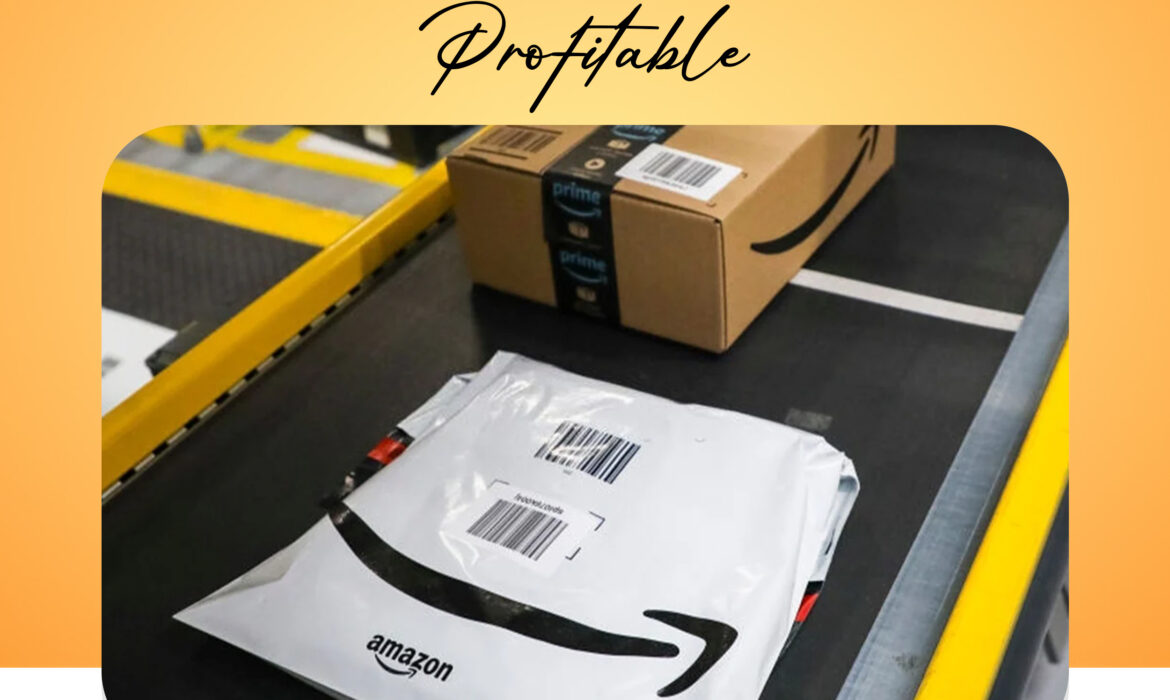
Is Amazon Private Label Profitable?
If you’ve ever been involved in selling with Amazon, you’ve surely heard the chitchat regarding private labels. “Is Amazon’s private label still profitable? It seems saturated now with high competition!”
The truth is that while competitive, private labeling can still be highly lucrative with the right plan. However, it requires far more work and risk than other models.
In this post, we’ll explore whether building a private label on Amazon FBA can really pay off right now and beyond. You’ll learn what it takes, weigh the major pros and cons, and get tips to maximize your chances of earning strong margins long-term.
Table of Contents
- Quick Answer – Is Amazon Private Label Profitable?
- What Are Amazon FBA Private Label Products?
- Pros and Cons of Selling Amazon Private Label Products
- Amazon Private Label Requirements
- Detailed Answer – Is Amazon Private Label Profitable?
- How to Private Label on Amazon
- Frequently Asked Questions (FAQs)
- Conclusion
Quick Answer – Is Amazon Private Label Profitable?
The quick answer is – yes, you can absolutely generate strong profits through Amazon private labeling if you execute well.
However, nothing is guaranteed automatically.
Profitability depends greatly on the following:
- Selecting viable products with sufficient demand
- Building compelling product presentation and packaging
- Pricing intelligently to drive sales with good margins
- Investing heavily in marketing and promotions
- Closely monitoring and optimizing listings.
To highlight the popularity of private labeling, Jungle Scout says 54% of Amazon sellers utilize the private label model. With the right product and strategy, you can achieve profit (net) margins of 10-30% per unit at scale.
Also, there is a way to increase this profit margin by claiming owed reimbursements from Amazon. If you’re already selling with Amazon FBA, chances are you’ve overlooked some discrepancies — things like damaged or unaccounted-for inventory, FBA fee overcharges, and more.
Managing and tracking these issues by yourself can be extremely difficult and time-consuming. That’s why, at Eqappo, we audit your Amazon seller account to identify any missed reimbursement opportunities you may have.

What Are Amazon FBA Private Label Products?
Amazon FBA private label products refer to goods manufactured by one company that you then customize and sell exclusively under your own name on Amazon’s marketplace.
This differs from reselling existing other products that are already available.
FBA stands for Fulfillment by Amazon, meaning you use their storage, shipping, and distribution network while owning your customized listings.
Examples of Private Label Products
Let’s look at some real-world examples of successful private-label products on Amazon:
- Amazon Basics: One of Amazon’s most popular private labels, offering high-rated fitness, kitchen, bathroom, bedroom, outdoor, and daily living products at low prices.
- Jungle Creations Washable Pee Pads: This Jungle Creation listing stands out with professional photos and videos that fully inform customers without needing a long description. Under this private label, they also sell Jungle Stix and Jungle Slider.
- Anker Electronics Accessories: A top third-party private label on Amazon, Anker sells quality chargers, cables, and tech accessories at lower prices than other major market players.

Pros and Cons of Selling Amazon Private Label Products
As with any business, there are benefits to consider and tradeoffs to weigh when deciding to sell private-label products on Amazon:
Pros:
- Full control over packaging design, pricing, etc.
- No competition on your listings from other sellers
- Exclusive access to Buy Box
- Higher profit margins (than retail arbitrage or wholesale) by cutting out middlemen
- Can use Amazon’s infrastructure without customization restrictions
- Can replicate trending niche items quickly under your label
- Can continuously improve product
Cons:
- Large upfront investment for new product development
- Researching and sourcing reliable manufacturers is difficult
- Rising advertising costs to compete for visibility
- Ongoing efforts for marketing, product refinements
- Limited product recognition compared to major names
- Risk of violations if packaging/listing too similar to others

Amazon Private Label Requirements
To sell private label products on Amazon FBA while meeting their guidelines, you need to check some key boxes:
- Account approval: Your selling account must be in good standing without any compliance violations. Approval for categories like grocery may require additional steps.
- Product compliance: Depending on the product type, items must meet Amazon’s demanding policies for safety, testing, packaging, labeling, registration, and more.
- Intellectual property: Your store name, logos, and product designs cannot infringe on the existing IP rights of other sellers. Thorough trademark research is needed.
- Inventory tracking: All items must have a unique FNSKU barcode for tracking through Amazon’s fulfillment network. Other identifiers may also be required.
- Fulfillment: All units must be labeled and prepped per Amazon’s requirements to utilize FBA. Or you must meet standards for merchant fulfillment.
- Customer service: Amazon has demanding service level requirements for response time and support. A clear return strategy must also be provided.
Amazon carefully checks for compliance in all these areas and can shut down listings or accounts for violations. You must follow all guidelines.
Here is a 10-step checklist you can use to form your private label on Amazon:
General:
1. Business entity formed
2. Tax information provided
3. Product compliance standards met
4. Detail pages wholly owned to control product presentation
Product Specifics:
5. Safety and testing documentation
6. Proper labeling displaying required info
7. No infringement on existing intellectual property
Operations:
8. Ability to meet order demands at scale
9. Timely shipping and reliable tracking
10. Responsiveness to buyers’ issues and inquiries

Detailed Answer – Is Amazon Private Label Profitable?
Data shows Amazon’s private labels remain highly profitable despite increased competition. Many experienced sellers report strong sales and profits even in recent years. It’s “absolutely an amazing opportunity” if you know what you’re doing.
The numbers back this up: According to the 2024 State of the Amazon Seller report mentioned above, over half of private label sellers (54%) have profit margins above 20%. Top performers exceed $100k per month.
You can also sell quite a bit, as 63% of sellers report sales above $100,000/month, and 40% say they sell over $500,000/month!
The key to profitability is starting in a niche with lower competition. This allows time to perfect your products and strategy before expanding.
As they say, “Riches are in the niches!” With the right preparation and commitment, six-figure profits are very much achievable.
Looking to tap into the profit potential of private labels?
A great first step is getting an audit of your Amazon account. At Eqappo, we specialize in uncovering owed reimbursements for FBA sellers.

How to Private Label on Amazon
If exploring Amazon’s private labeling interests you, here is a high-level overview of getting started in 6 steps:
1. Choose Winning Products
It is crucial to pick the right private-label products to sell on Amazon. You need items that have strong demand but not too much competition. No matter how good your product presentation is, profits ultimately depend on sales volume.
Here are some tips for finding promising products:
- Get ideas by looking in stores and on Amazon (the “Hot New Releases”) for new popular trends before there is too much competition. You can also check social media and crowdfunding sites.
- Consider small (8 11/16″ x 5 7/16″ x 1 3/4″), lightweight (not more than 2 pounds), non-seasonal, and uncomplicated products. They’re easier and cheaper to source, ship, and manage. Avoid anything heavily regulated.
- Research ‘demands’ using tools like Product Opportunity Explorer. Look for a monthly search volume between 250 and 400 units and under 100 reviews per product. This indicates solid demand without excessive competition.
- Compare competitor pricing and reviews. Make sure you can realistically compete on price and value.
Add good customization, packaging, and marketing, and you have a winning private label formula.
2. Find Suppliers for Your Products
After picking a good private-label product idea, you must find a supplier to manufacture it. A great option is Alibaba (if you can’t produce yourself).
Alibaba connects you with wholesale suppliers and manufacturers in China. It’s like Amazon for sourcing products.
Here are some tips for using Alibaba to source your private-label products:
- Create an Alibaba buyer account
- Search for suppliers selling similar products
- Reach out to 3-5 suppliers about:
- Pricing for 500 units
- Getting a product sample
- Payment terms
- Customization options
- Order samples from top suppliers
Vetting suppliers on Alibaba is key. Review their ratings, capabilities, and production capacity before choosing one. Request and evaluate quality samples to select a reliable partner.
3. Focus on Product Identity
With private labeling, you get to create your own unique product identity. Compelling yet Amazon-compliant packaging and design, along with a memorable logo and a consistent look across products, are key.
Here are some tips for making your private label stand out:
- Design a unique, eye-catching logo. You can hire freelance graphic designers to do it affordably.
- Customize the product slightly from competitors – change colors, sizes, materials, etc. Work with your manufacturer on this.
- Create thoughtful packaging that improves the unboxing experience. Include your website and other info.
- Develop integrated marketing and social media (that tells your product’s story) versus FBA advertising.
Your goal is to build product recognition beyond chasing the Amazon algorithm. Make your private label more than a generic product with a different label.
4. Choose How to Fulfill Orders
After making and customizing your private label product, you need a fulfillment strategy to deliver it to customers.
Here are some popular options:
- Self-fulfillment from your warehouse or garage: This requires handling storage, packing, and shipping yourself.
- Third-party logistics (3PL) providers: They handle warehousing and order fulfillment for you.
- Fulfillment by Amazon (FBA): Amazon stores, picks, packs, and ships your products. Customers get quick Prime delivery. FBA is the easiest way to fulfill private label orders. You send bulk inventory to Amazon, and they handle the rest.
The downside is that Amazon charges fees for storage and fulfillment.
Weigh the pros and cons of fulfillment options for your business. A good customer experience is crucial.
5. Create & Optimize Your Amazon Listings
Once your private-label product is made, you must create a compelling listing on Amazon.
Follow these tips to maximize sales:
- Have your listing fully ready to publish when inventory arrives.
- Get professional product photos.
- Optimize titles with relevant keywords so you rank well in searches. Put key terms first.
- Describe key features and benefits in the description in bullet points. Focus on solving customer needs.
- Apply A+ content best practices for organic and paid discoverability.
- Consider Amazon PPC ads to get on page 1 and competitor product pages. Adjust bids based on performance data.
- A/B test elements like images and pricing. Let data guide optimizations.
Great content and visibility in search results are critical for any new private-label product. Continuously refine your listings based on real buyer data.
6. Employ Multi-Channel Marketing
Relying solely on Amazon search, suggested products, and sponsored ads can limit your profitability.
To grow a strong product line:
- Build an appealing website to stand out from pure Amazon sellers. Share your story and mission.
- Post engaging social media content on Instagram, Facebook, etc. Partner with relevant influencers.
- Consider expanding to retail stores once you reach a large scale.
- Run giveaways, sweepstakes, and email marketing to build an audience.
- Attend conventions or events to showcase your products.
Use the launch of initial products as a platform to keep expanding your catalog, fine-tuning processes, and reinvesting revenues to fuel further growth.
Frequently Asked Questions (FAQs)
Got more questions about Amazon’s private label?
Below are answers to some common questions you may have:
How Long Does it Take to Realistically Private Label a Product?
The entire process of finding a viable product, sourcing a quality manufacturer, finalizing product design and packaging, and launching with well-optimized Amazon listings typically takes 6-10 weeks for your first product launch.
Once you achieve a proof of concept, you can streamline and scale additional products faster by replicating what works.
Amazon Private Label vs. Wholesale: What is the Difference?
Wholesale involves purchasing inventory from other established sellers in bulk to resell on Amazon.
With a private label, you have an original product developed and customized exclusively for your business. It enables far more control, higher margins, and differentiation.
What are the Profit Margins for Amazon Private Label?
Experienced Amazon private label sellers generally target more than 30% net margins when factoring in all production, shipping, Amazon fees, and marketing costs. This depends greatly on order volumes, manufacturing relationships, product selection, and overall efficiency.
See how we can help you increase your profits by claiming unnoticed FBA reimbursement opportunities.
Conclusion
One of the most important aspects of selling private-label products on Amazon is ensuring profitability and minimizing losses.
However, this is not really possible if you lose 1-3% of potential revenue yearly due to FBA discrepancies like unaccounted/damaged inventory and fee overcharges. It may not look like much, but if you’re selling $1 million a year, that’s $30,000 left on the table!
This is where Eqappo comes in. As an authorized Amazon partner, we uncover and recover lost reimbursements. Our team handles the entire process — auditing, documentation, and claims management — while providing full visibility into each status through our dashboard.
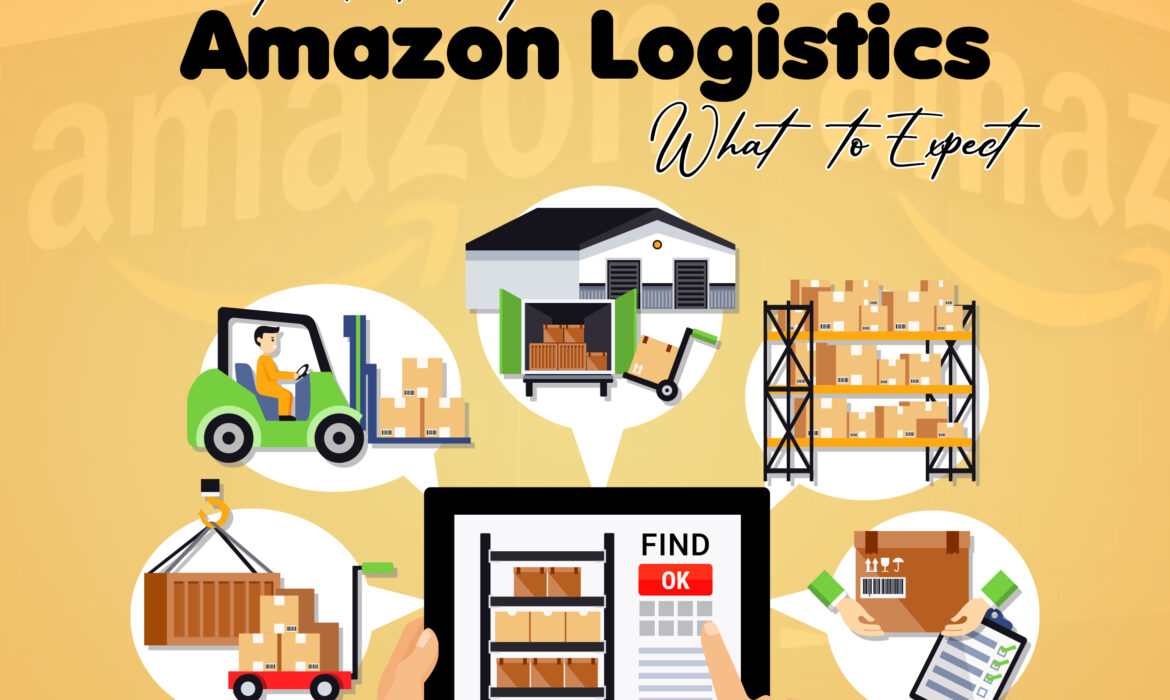
The Future of Amazon Logistics: What to Expect
Amazon has always been at the forefront of logistics innovation, continuously pushing the boundaries to streamline operations and enhance the customer experience. As we look to the future, several key trends and technologies are set to revolutionize Amazon’s logistics network. Here’s what we can expect from the future of Amazon logistics.

1. Expansion of Automated Warehouses
Amazon has been a pioneer in warehouse automation, employing thousands of robots to assist with order fulfillment. The future will see an even greater reliance on automation. Advanced robotics, AI-driven sorting systems, and automated guided vehicles (AGVs) will work together to increase efficiency, reduce errors, and speed up processing times. These technologies will enable Amazon to handle higher volumes of orders with unprecedented accuracy and speed.
Key Benefits:
- Increased Efficiency: Automated systems can operate 24/7, drastically reducing the time needed to pick, pack, and ship orders.
- Reduced Costs: Automation reduces the need for human labor in repetitive tasks, lowering operational costs.
- Scalability: Automated warehouses can easily scale operations to meet peak demand periods without significant delays.

2. Enhanced Last-Mile Delivery Solutions
Last-mile delivery—the final step of the delivery process from the distribution center to the customer—remains one of the most challenging aspects of logistics. Amazon is investing heavily in innovative last-mile solutions, including:
Drone Deliveries
Amazon’s Prime Air service aims to use drones to deliver packages within 30 minutes. Although regulatory hurdles and technical challenges remain, progress is being made. Drones promise to significantly cut down delivery times and reduce traffic congestion.
Autonomous Delivery Vehicles
Amazon has been testing autonomous delivery robots, such as the Amazon Scout. These small, self-driving units can navigate sidewalks and deliver packages directly to customers’ doors. As technology and regulations evolve, autonomous vehicles will become a common sight, providing quick and reliable deliveries.
Benefits:
- Speed: Drones and autonomous vehicles can bypass traditional traffic constraints, ensuring faster deliveries.
- Sustainability: Electric drones and robots reduce the carbon footprint associated with traditional delivery vehicles.
- Customer Convenience: Advanced tracking and delivery scheduling enhance the customer experience.
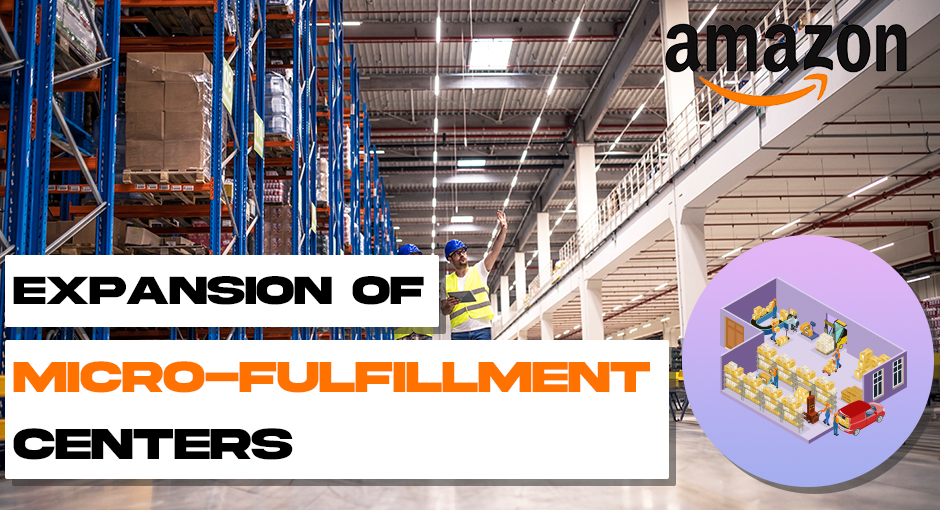
3. Expansion of Micro-Fulfillment Centers
To reduce delivery times and meet the growing demand for same-day and next-day delivery, Amazon is expanding its network of micro-fulfillment centers. These smaller, strategically located centers allow Amazon to stock high-demand items closer to customers, significantly cutting down delivery times.
Advantages:
- Proximity to Customers: Closer fulfillment centers mean faster delivery times.
- Efficiency: Reduced shipping distances, lower transportation costs and environmental impact.
- Improved Inventory Management: Better distribution of inventory based on regional demand patterns.

4. Sustainability Initiatives
Amazon has committed to becoming net-zero carbon by 2040, and its logistics network plays a crucial role in this goal. Expect to see significant investments in sustainable logistics practices, including:
Electric Delivery Fleet
Amazon is rolling out a fleet of electric delivery vehicles to reduce greenhouse gas emissions. The use of electric vans and trucks will become more widespread, supported by an expanding network of charging infrastructure.
Renewable Energy
Amazon is investing in renewable energy projects to power its operations. From solar panels on warehouse rooftops to wind farms, these initiatives will ensure that Amazon’s logistics operations are increasingly powered by clean energy.
Eco-Friendly Packaging
Efforts to reduce packaging waste will continue, with innovations in recyclable and biodegradable materials. Amazon aims to eliminate single-use plastics and minimize packaging size and weight.
Benefits:
- Environmental Impact: Significant reduction in carbon emissions and waste.
- Brand Reputation: Enhanced reputation among eco-conscious consumers.
- Cost Savings: Long-term savings through energy efficiency and reduced material costs.

5. Advanced Data Analytics and AI
Data analytics and AI will play an even larger role in optimizing Amazon’s logistics. These technologies will be used to predict demand, optimize routes, and manage inventory more effectively. Machine learning algorithms can analyze vast amounts of data to identify patterns and make real-time adjustments, ensuring the most efficient use of resources.
Applications:
- Demand Forecasting: Predicting customer demand to ensure optimal inventory levels.
- Route Optimization: Finding the most efficient delivery routes to save time and fuel.
- Inventory Management: Using predictive analytics to manage stock levels and reduce overstocking or stockouts.
Benefits:
- Cost Efficiency: Reduced operational costs through optimized resource use.
- Improved Customer Experience: Faster, more reliable deliveries and better product availability.
- Scalability: Enhanced ability to scale operations to meet changing demand.
Conclusion
The future of Amazon logistics promises to be faster, more efficient, and more sustainable. Through advancements in automation, last-mile delivery innovations, micro-fulfillment centers, sustainability initiatives, and the use of advanced data analytics and AI, Amazon is set to revolutionize the logistics landscape once again. These developments will not only improve operational efficiency and customer satisfaction but also help Amazon meet its ambitious sustainability goals. As these technologies and strategies are implemented, both customers and the environment stand to benefit from a more advanced and responsible logistics network.
With the advancements Amazon is making in logistics, its efficiency is set to improve significantly, contributing to the growth of its already thriving business. Now is an opportune time to establish your business with Amazon FBA or expand your existing operations by selling on Amazon.
Eqappo can help you create and expand your business on amazon with its comprehensive one-stop-shop services. Feel free to book a free consultation here. Learn more about our services.
-
Отчего мы высоко оцениваем среду предвкушения
Отчего мы высоко оцениваем среду предвкушения Обстановка ожидания обволакивает нас кругом, создавая неповторимую волшебство мгновения перед началом долгожданного события. Это состояние между данным моментом и будущим, когда временной отрезок словно замедляется, а всякая минута пропитывается уникальным смыслом. Человек психологически устроен так, что этап ожидания запускает полный набор мозговых механизмов, создающих томление не менее значимым, чем…
-
Воздействие техники на традиционные хобби
Воздействие техники на традиционные хобби Эволюция технологий значительно изменило форматы организации отдыха и структуру классических форм досуга. Информационная модернизация затронула практически всех аспектов ежедневной жизни, от коммуникации и обучения до досуга и самовыражения. Огромное количество классических вариантов досуга, существующих много лет, прошли через трансформацию под влиянием цифровых платформ. По данным исследовательским наблюдениям вулкан казино зеркало,…
-
Ведущие крипто-казино: пополнения и транзакции в криптовалютах
Ведущие крипто-казино: пополнения и транзакции в криптовалютах Криптовалютные казино делаются все более востребованными из-за своей приватности и быстроте операций. Одним из из ключевых плюсов таких сайтов становится опция вносить пополнения и выводить средства в различных цифровых валютах, включая Bitcoin, Ethereum и Litecoin. Такое даёт возможность игрокам Максбет официальный сайт избежать банковских комиссий и промедлений, ассоциируемых…
-
Каким образом игры развивают внимание и отклик
Каким образом игры развивают внимание и отклик Игровая деятельность Spinto является одним из самых результативных инструментов для развития умственных функций индивида. Такая активность не просто выступает формой отдыха, вдобавок способствует повышению внимательности, динамичности мышления и навыка мгновенно реагировать на поступающие сигналы. Современные эксперименты Spinto сasino свидетельствуют, что видеоигры, базирующиеся на интенсивных действиях и условии выбора…
-
Каким образом игры развивают внимание и отклик
Каким образом игры развивают внимание и отклик Игровая практика номад казино представляет собой ключевым среди самых действенных инструментов для тренировки познавательных способностей личности. Данная форма не исключительно является способом отдыха, но и ведет к повышению концентрации, быстроты умозаключений и навыка мгновенно действовать на поступающие сигналы. Современные научные работы номад казино Казахстан доказывают, что интерактивные форматы,…
-
Как видеоигры развивают концентрацию и скорость реагирования
Как видеоигры развивают концентрацию и скорость реагирования Развлекательная деятельность Дэдди казино является ключевым среди высокоэффективных результативных инструментов для тренировки когнитивных функций личности. Такая активность не исключительно служит формой развлечения, а также способствует развитию фокусировки, динамичности умозаключений и способности мгновенно реагировать на окружающие стимулы. Актуальные исследования дедди казино показывают, что игры, основанные на быстрых сценариях и…

