mehroz@eqappo.com

7 Ways To Increase Your Amazon Sales Tremendously
Amazon has become a dominant force in the e-commerce industry, with millions of sellers competing to capture the attention of over 300 million active customers. To succeed on this platform, it’s essential to leverage effective strategies that can significantly boost your sales. Here are seven proven ways to increase your Amazon sales tremendously.
1. Optimize Your Product Listings
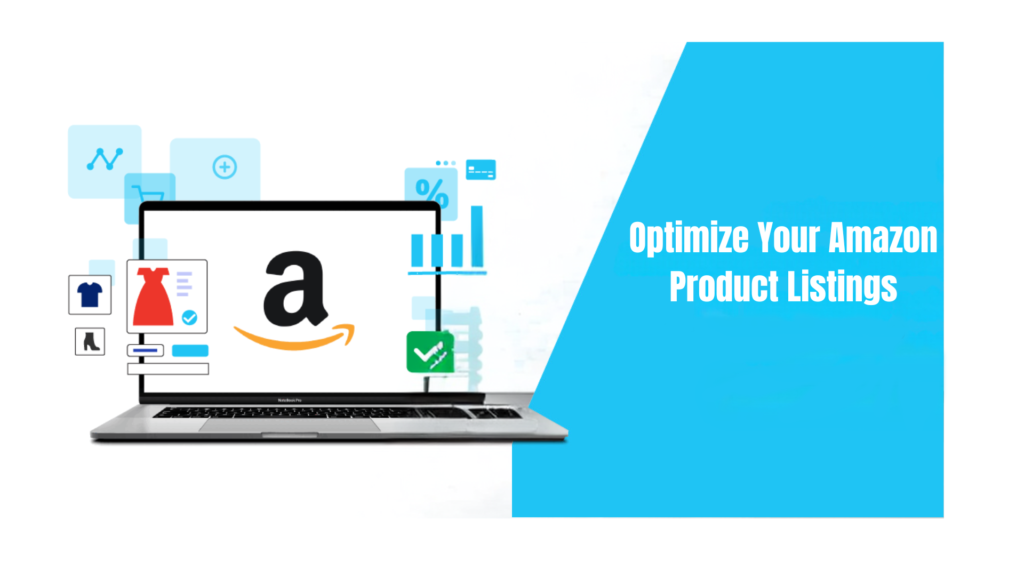
The foundation of high sales on Amazon starts with optimized product listings. A well-crafted listing includes:
- Keyword-Rich Titles: Use relevant keywords that customers are likely to search for, but keep the title concise and informative.
- Compelling Bullet Points: Highlight the key features and benefits of your product in a way that addresses customer pain points or desires.
- Detailed Descriptions: Provide a thorough description that answers potential customer questions and provides enough detail to make an informed purchase decision.
- High-Quality Images: Use multiple, high-resolution images that show the product from different angles. Include lifestyle images that show the product in use to help customers visualize how it fits into their lives.
- Enhanced Brand Content (EBC): If you’re a registered brand, take advantage of EBC to create a more visually appealing and informative product page. This can increase conversion rates by giving customers more confidence in their purchase.
2. Leverage Amazon Advertising (PPC)

Amazon’s pay-per-click (PPC) advertising is one of the most effective ways to drive traffic to your listings and boost sales. Here’s how to get the most out of it:
- Sponsored Products: These ads appear in search results and on product pages. They’re great for targeting specific keywords and driving direct sales.
- Sponsored Brands: These ads feature your brand logo, a custom headline, and multiple products. They’re useful for building brand awareness and driving traffic to your storefront or a specific product.
- Sponsored Display: These ads allow you to target customers both on and off Amazon, increasing your product’s visibility.
- Optimizing Ad Campaigns: Regularly monitor your campaigns, adjust your bids, and refine your targeting to ensure you’re getting the best ROI.
3. Gather and Leverage Customer Reviews

Positive customer reviews are crucial for building trust and increasing sales on Amazon. Here’s how to encourage more reviews:
- Follow-Up Emails: Use Amazon’s Buyer-Seller Messaging service to politely request feedback after a purchase.
- Product Inserts: Include a thank-you note in your packaging that invites customers to leave a review.
- Excellent Customer Service: Provide top-notch customer service to resolve any issues quickly, which can lead to positive reviews.
- Amazon’s Request a Review Button: Use this tool in Seller Central to send a review request to customers automatically.
4. Utilize Amazon FBA (Fulfillment by Amazon)
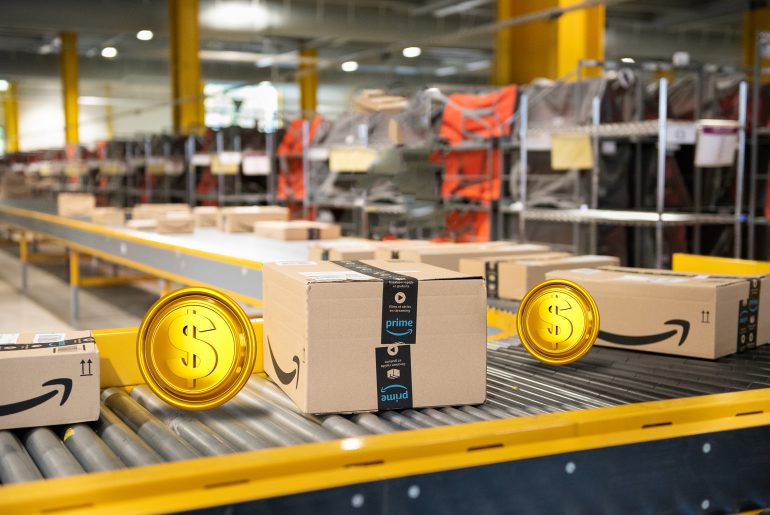
Enrolling in Amazon FBA can significantly enhance your sales. With FBA, Amazon handles storage, packaging, shipping, and customer service for your products, which comes with several benefits:
- Prime Eligibility: Your products become eligible for Amazon Prime, attracting more customers who prefer fast, free shipping.
- Higher Conversion Rates: FBA products often enjoy higher conversion rates due to the trust customers have in Amazon’s fulfillment process.
- Global Reach: FBA allows you to store inventory in Amazon’s global network, making it easier to reach international customers.
5. Implement a Competitive Pricing Strategy
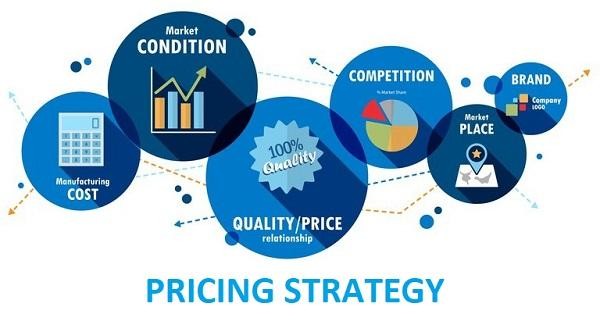
Price is a critical factor in customer purchasing decisions on Amazon. To stay competitive:
- Monitor Competitors: Regularly check the prices of similar products and adjust yours accordingly.
- Use Repricing Tools: These tools automatically adjust your prices based on competitor activity, helping you maintain competitiveness without constant manual intervention.
- Price Promotions: Offer discounts, coupons, or lightning deals to attract more buyers during peak shopping periods.
6. Expand Your Product Line
Diversifying your product offerings can lead to increased sales by attracting a broader customer base. Consider these strategies:
- Identify Market Gaps: Use tools like Jungle Scout or Helium 10 to find profitable niches with less competition.
- Bundle Products: Create product bundles that offer more value to customers while increasing your average order value.
- Expand Variations: Offer your products in different colors, sizes, or styles to appeal to more customers.
7. Invest in Brand Building

Building a strong brand on Amazon can lead to repeat customers and higher sales over time. Focus on these brand-building strategies:
- Create a Brand Storefront: If you’re a registered brand, build a custom Amazon Storefront to showcase your entire product line and tell your brand story.
- Use Amazon Posts: Take advantage of Amazon Posts, a social media-like feature within Amazon that allows you to share lifestyle images and engage with customers.
- Social Media and Content Marketing: Drive traffic to your Amazon listings through social media, blogs, and influencer partnerships. This can increase brand visibility and attract new customers
Conclusion
Increasing your Amazon sales tremendously requires a combination of optimized listings, strategic advertising, customer engagement, and brand building. By implementing these seven strategies, you can enhance your product’s visibility, attract more customers, and ultimately drive higher sales on the platform. In the competitive world of Amazon, staying proactive and continually refining your approach is key to long-term success.
That’s why we’re here. Partnering with Eqappo is like clicking the “easy” button for ecommerce. As a leading ecommerce accelerator, we take the guesswork and logistics off of our partners’ plates, making it easy for our brands to focus on what matters most.
Related post: All About Cialis: What You Need to Know for Effective Use
Everything listed above can be simplified by partnering with us and accessing our marketplace management services. Our expert creative teams can handle your product listings, armed with data that shows exactly what works and what doesn’t. Our international teams throughout the globe make internationalization as smooth and easy as possible for brands ready to expand. Our proprietary software makes ecommerce reporting, keyword research, ad campaigns, and shipping logistics simple and effective.
Why Outsourcing Amazon Product Listing Services is Beneficial
In the fast-paced world of e-commerce, Amazon has established itself as a leading platform where millions of products are sold daily. However, the vast number of sellers and products makes it challenging to stand out and achieve success on Amazon. One of the key factors in gaining an edge over competitors is having well-optimized product listings. While some sellers attempt to manage this task in-house, outsourcing Amazon product listing services has proven to be a more effective and efficient solution. In this article, we’ll delve deeper into why outsourcing these services can be a game-changer for your Amazon business.
1. Access to Specialized Knowledge
The landscape of Amazon selling is constantly evolving, with new updates, algorithms, and best practices emerging regularly. Outsourcing your product listing services provides you with access to professionals who specialize in Amazon’s ecosystem. These experts have a deep understanding of Amazon’s A9 search algorithm and know how to optimize listings to rank higher in search results. They stay updated with the latest trends and guidelines, ensuring that your listings are always optimized according to the most current standards.
By leveraging their expertise, you can avoid common pitfalls, such as keyword stuffing or improper categorization, which can negatively impact your product’s visibility. Instead, your listings will be crafted using data-driven strategies that maximize their potential to attract and convert customers.
2. Focus on Core Business Activities
As an Amazon seller, your time is valuable. Managing product listings requires attention to detail, from keyword research to crafting compelling copy, and it can be a drain on your resources if you handle it yourself. By outsourcing these tasks, you can free up your time to focus on core business activities, such as sourcing new products, negotiating with suppliers, and developing your brand.
This shift in focus allows you to concentrate on scaling your business rather than getting bogged down by the intricacies of listing management. As a result, you can grow your business more efficiently and strategically.
3. Enhanced Listing Quality
Quality is key when it comes to Amazon product listings. A high-quality listing not only attracts more clicks but also convinces potential buyers to make a purchase. Outsourced professionals bring a wealth of experience in crafting listings that are both informative and persuasive. They know how to write product titles that are both keyword-rich and engaging, how to create bullet points that highlight the product’s key features and benefits, and how to write descriptions that resonate with your target audience.
Moreover, they ensure that your product images meet Amazon’s stringent requirements while showcasing your product in the best light. High-quality images, coupled with optimized copy, significantly improve the overall appeal of your listing, leading to higher conversion rates.
4. Better SEO Performance
Search engine optimization (SEO) is crucial for visibility on Amazon. Unlike traditional SEO, Amazon SEO requires a specific set of skills and knowledge. Outsourced listing experts are proficient in Amazon SEO and use advanced tools to perform keyword research, ensuring that your product listings are optimized for the most relevant and high-traffic keywords.
They also understand how to balance keyword usage with readability, creating listings that are not only optimized for search engines but also engaging for customers. This dual focus on SEO and user experience enhances your product’s discoverability and appeal, driving more organic traffic to your listings.
5. Cost-Effective and Efficient
While hiring an in-house team for listing management might seem like a viable option, it often comes with significant costs, including salaries, training, and software tools. Outsourcing, on the other hand, offers a more cost-effective solution. You gain access to a team of experts without the overhead costs associated with maintaining an in-house team.
Additionally, outsourcing allows you to pay only for the services you need, whether it’s a one-time listing optimization or ongoing management. This flexibility makes it easier to manage your budget while still receiving high-quality services that can boost your sales and profitability.
6. Adaptability and Scalability
The ability to scale your operations is crucial for long-term success on Amazon. Whether you’re launching new products, expanding into new markets, or experiencing seasonal demand spikes, outsourcing allows you to quickly adapt to changing circumstances. Professional service providers can handle an increased workload without compromising on quality, ensuring that your listings remain optimized even as your business grows.
This scalability is particularly beneficial for sellers who experience rapid growth or want to test new products without overextending their internal resources.
7. Mitigation of Risk
Amazon’s marketplace is governed by strict rules and policies, and non-compliance can result in severe penalties, including account suspension. Outsourced professionals are well-versed in Amazon’s guidelines and ensure that your listings comply with all relevant policies. This proactive approach reduces the risk of violations and helps maintain a healthy seller account.
Moreover, outsourcing minimizes the risk of errors in your listings, such as incorrect product information or poor-quality images, which can lead to negative reviews and customer dissatisfaction. By entrusting your listings to experts, you mitigate these risks and protect your brand’s reputation.
8. Improved Customer Experience
A well-optimized product listing not only drives traffic but also enhances the customer experience. Outsourcing ensures that your listings provide all the necessary information in a clear and concise manner, reducing the likelihood of customer confusion or dissatisfaction. This includes detailed product descriptions, accurate specifications, and high-quality images that give customers a comprehensive understanding of the product.
An improved customer experience often leads to higher conversion rates, positive reviews, and increased customer loyalty, all of which contribute to the long-term success of your Amazon business.
9. Expertise and Experience
One of the most significant advantages of outsourcing Amazon product listing services is gaining access to industry experts who have in-depth knowledge of Amazon’s platform. These professionals are well-versed in the best practices for creating and optimizing product listings, from keyword research to writing compelling product descriptions. They understand the nuances of Amazon’s search algorithm, A9, and know how to leverage it to increase your product’s visibility. This level of expertise ensures that your listings are crafted to attract and convert customers, something that might be challenging to achieve without specialized knowledge.
10. Time-Saving
Creating and managing Amazon product listings can be incredibly time-consuming. Between keyword research, writing descriptions, creating images, and regularly updating the listings, the task can take up a significant portion of your time. By outsourcing these services, you can free up your time to focus on other critical aspects of your business, such as product development, customer service, and strategic planning. This can lead to more efficient business operations and a better balance between work and personal life.
Conclusion
Outsourcing Amazon product listing services offers a multitude of benefits that can significantly impact your business’s success on the platform. From accessing specialized knowledge and improving listing quality to saving time and enhancing scalability, outsourcing is a strategic move that allows you to focus on what matters most—growing your business. By leveraging the expertise of professionals, you can ensure that your product listings are optimized to attract more customers, drive higher sales, and ultimately achieve your business goals on Amazon.
Amazon’s prominence as the largest online marketplace underscores the importance of creating and optimizing captivating product pages to drive remarkable sales. At the forefront of this endeavor is Eqappo, a leading service provider known for delivering tailor-made listing solutions to clients worldwide. Our team of Amazon listing specialists is dedicated to crafting well-optimized, engaging product listings that ensure you stand out in a crowded marketplace. To discuss how we can help your online business thrive, share your requirements with us at Eqappo
Things you need to know before outsourcing Amazon product listing services
Have you ever wondered why some products always show up in Amazon searches, whereas others barely get ranked?
With the competition getting fierce by the day, it becomes difficult for Amazon sellers to stay afloat. As an ardent Amazon seller, you must understand that to gain more clicks and attain higher sales, you must focus on ways to help your brand stand out from the crowd. A well-optimized product listing is a perfect solution to ensure augmented exposure, higher sales, and improved conversion rates. However, the unpredictability of Amazon’s algorithm can confuse sellers, impacting product rankings. That’s why relying on Amazon listing specialists is a wise choice. Their expertise ensures your products consistently perform well, ultimately benefiting your online business.
However, before we understand how outsourcing can benefit your business, let’s get acquainted with the significance of Amazon product listings and its role in fostering brand growth.
Table of Contents
- Amazon product listing – overview
- Why Should You Outsource Amazon product listing
- How To Choose The Right Outsourcing Partner
- FAQs Answered
Amazon product listing – A quick overview
An Amazon product listing is essentially a dedicated product page within the Amazon marketplace. It serves as a space where you can present all the essential information about the products you are selling. This includes not only textual descriptions and images but also multimedia elements like videos and infographics, which help illustrate the product’s intricate details.
In addition, a successful product listing comprises:
- A perfectly crafted title enriched with relevant, high-volume keywords & phrases
- A well-detailed and engaging product description
- A group of well-optimized, visually compelling product images, videos, or other interactive elements
- A considerable number of customer reviews and ratings
Consequently, optimizing a product listing involves strategically managing and fine-tuning each key element to maximize effectiveness.
Maximizing Conversions with Outsourced Amazon Product Listing Services
Understanding your prospects is extremely crucial to creating a perfectly optimized product listing. Once you are well-versed with your target audience, optimizing your product listings won’t be much of a problem. However, ensuring that your prospects choose you every time they intend to purchase a product is quite a challenge. Here’s why:
- Limited expertise: In-house teams may lack specialized knowledge of Amazon’s algorithm and listing optimization strategies, hindering their ability to compete effectively.
- Time constraints: Creating and maintaining product listings demands a significant amount of time. In-house teams may struggle to balance this task with other core business activities.
- Resource allocation: Allocating resources for listing optimization may divert them from other critical business functions, impacting overall efficiency.
To address these, consider leveraging the expertise of an Amazon specialist who is proficient in the intricate procedures of crafting and refining product listings, ultimately leading to increased sales and conversions. These specialists can assist you in improving the visibility of your product listings among potential customers. After all, having an exceptional product is pointless if it remains unnoticed by your target audience.
Boost your listings and sales with effective Amazon SEO tactics.
Why Should You Outsource Amazon product listing
You must handle several aspects of your core business as a seller. So, rather than spending your valuable time on arduous tasks like optimizing product listings, you can hire Amazon experts to make things easier for you to manage. They can reduce your workload and take care of all the aspects of product listing creation and optimization without hassle.
Still unsure why you should outsource Amazon product listing to an expert? Here are some of the prominent benefits of outsourcing Amazon product listing to a third-party service provider:
- Cost efficiency: Outsourcing Amazon product listing optimization can help sellers save on the costs of hiring or training an in-house team and buying or upgrading tools/software.
- Focus on core tasks: By hiring an expert with extensive experience in Amazon listings, sellers can pay more attention to the core aspects of their business.
- Time-savings: Since creating and optimizing product listings involves much time, hiring an offshore partner can significantly reduce the time spent on optimization.
- Scalability: As your product catalog grows, managing listings can become overwhelming. Outsourcing allows you to scale your Amazon presence efficiently without the need for extensive in-house resources, especially when the requirement is for Amazon bulk product upload to save time.
- Visibility: Listing optimization experts can enhance your product’s visibility in Amazon search results. They employ SEO strategies, keyword research, and compelling product descriptions to improve your rankings.
Capitalize on a remote team of Amazon listing experts to gain maximum benefits.
Now, let us discuss how you can choose the right outsourcing partner for your Amazon store who could handle all the complex listing and optimization processes for you.
HOW TO CHOOSE THE RIGHT OUTSOURCING PARTNER
Choosing the right Amazon listing outsourcing partner can be challenging for sellers seeking professional help optimizing their product listings. As an ardent Amazon seller, you must look for someone who comprehends your requisite listing needs and can cater to them with extensive listing and optimization experience. Here are a few factors to consider before picking the outsourcing partner:
1. Expertise and experience: Look for a provider with a proven track record and relevant experience in your industry or the specific services you require. Assess their portfolio, client testimonials, and case studies to gauge their expertise.
2. Quality of service: Evaluate their service quality by checking for certifications, industry standards, and the presence of quality control measures. You can ask for sample work or references to assess their performance.
3. Communication and transparency: Effective communication is key to successful outsourcing. Ensure that the outsourcing company has multiple communication channels, encourages feedback, shares weekly/monthly reports, and keeps you updated on the project’s progress.
4. Data security and compliance: If your project involves sensitive data or requires compliance with industry regulations (e.g., ISO, GDPR, HIPAA), ensure that your outsourcing partner has robust data security measures in place and complies with relevant regulations.
5. Scalability and flexibility: Consider your long-term needs. Choose a partner that can scale their services to accommodate your growth and adapt to changing requirements. Flexibility in terms of contract terms and service offerings is beneficial.
Wrapping up
Amazon’s prominence as the largest online marketplace underscores the importance of creating and optimizing captivating product pages to drive remarkable sales. At the forefront of this endeavor is Eqappo, a leading service provider known for delivering tailor-made listing solutions to clients worldwide. Our team of Amazon listing specialists is dedicated to crafting well-optimized, engaging product listings that ensure you stand out in a crowded marketplace. To discuss how we can help your online business thrive, share your requirements with us at Eqappo
FAQs Answered!
1. Apart From Listing Creation & Optimization, What Other Services do you cater to?
There are a plethora of other tasks that we undertake. These include:
- Product description writing service
- Product taxonomy development
- Order management
- Search engine optimization
- Product catalog management
- Multi-channel marketplace management
2. What is the Average Turnaround Time?
It entirely depends on your specific business needs. To get an exact estimate, brief us on your requirements, and our team will get back to you.
3. What does an Amazon listing specialist do?
There are a plethora of tasks carried out by an Amazon listing specialist. These include updating product pages, creating Amazon product feeds, relisting products, merging or deleting listings, Amazon SEO, keyword research, and whatnot! Outsource Amazon product listing to a professional Amazon listing specialist to make things work in your favor.
4. What are the listing fees on Amazon?
Related topic: All About Cialis: What You Need to Know for Effective Use
The listing or seller fee (as Amazon calls it) is charged for listing and selling items on the marketplace. It is nominal and depends on many factors, including the product category, size, weight, price, etc. To know more about Amazon fees, connect with us!
Is Amazon Private Label Profitable?
If you’ve ever been involved in selling with Amazon, you’ve surely heard the chitchat regarding private labels. “Is Amazon’s private label still profitable? It seems saturated now with high competition!”
The truth is that while competitive, private labeling can still be highly lucrative with the right plan. However, it requires far more work and risk than other models.
In this post, we’ll explore whether building a private label on Amazon FBA can really pay off right now and beyond. You’ll learn what it takes, weigh the major pros and cons, and get tips to maximize your chances of earning strong margins long-term.
Table of Contents
- Quick Answer – Is Amazon Private Label Profitable?
- What Are Amazon FBA Private Label Products?
- Pros and Cons of Selling Amazon Private Label Products
- Amazon Private Label Requirements
- Detailed Answer – Is Amazon Private Label Profitable?
- How to Private Label on Amazon
- Frequently Asked Questions (FAQs)
- Conclusion
Quick Answer – Is Amazon Private Label Profitable?
The quick answer is – yes, you can absolutely generate strong profits through Amazon private labeling if you execute well.
However, nothing is guaranteed automatically.
Profitability depends greatly on the following:
- Selecting viable products with sufficient demand
- Building compelling product presentation and packaging
- Pricing intelligently to drive sales with good margins
- Investing heavily in marketing and promotions
- Closely monitoring and optimizing listings.
To highlight the popularity of private labeling, Jungle Scout says 54% of Amazon sellers utilize the private label model. With the right product and strategy, you can achieve profit (net) margins of 10-30% per unit at scale.
Also, there is a way to increase this profit margin by claiming owed reimbursements from Amazon. If you’re already selling with Amazon FBA, chances are you’ve overlooked some discrepancies — things like damaged or unaccounted-for inventory, FBA fee overcharges, and more.
Managing and tracking these issues by yourself can be extremely difficult and time-consuming. That’s why, at Eqappo, we audit your Amazon seller account to identify any missed reimbursement opportunities you may have.

What Are Amazon FBA Private Label Products?
Amazon FBA private label products refer to goods manufactured by one company that you then customize and sell exclusively under your own name on Amazon’s marketplace.
This differs from reselling existing other products that are already available.
FBA stands for Fulfillment by Amazon, meaning you use their storage, shipping, and distribution network while owning your customized listings.
Examples of Private Label Products
Let’s look at some real-world examples of successful private-label products on Amazon:
- Amazon Basics: One of Amazon’s most popular private labels, offering high-rated fitness, kitchen, bathroom, bedroom, outdoor, and daily living products at low prices.
- Jungle Creations Washable Pee Pads: This Jungle Creation listing stands out with professional photos and videos that fully inform customers without needing a long description. Under this private label, they also sell Jungle Stix and Jungle Slider.
- Anker Electronics Accessories: A top third-party private label on Amazon, Anker sells quality chargers, cables, and tech accessories at lower prices than other major market players.

Pros and Cons of Selling Amazon Private Label Products
As with any business, there are benefits to consider and tradeoffs to weigh when deciding to sell private-label products on Amazon:
Pros:
- Full control over packaging design, pricing, etc.
- No competition on your listings from other sellers
- Exclusive access to Buy Box
- Higher profit margins (than retail arbitrage or wholesale) by cutting out middlemen
- Can use Amazon’s infrastructure without customization restrictions
- Can replicate trending niche items quickly under your label
- Can continuously improve product
Cons:
- Large upfront investment for new product development
- Researching and sourcing reliable manufacturers is difficult
- Rising advertising costs to compete for visibility
- Ongoing efforts for marketing, product refinements
- Limited product recognition compared to major names
- Risk of violations if packaging/listing too similar to others

Amazon Private Label Requirements
To sell private label products on Amazon FBA while meeting their guidelines, you need to check some key boxes:
- Account approval: Your selling account must be in good standing without any compliance violations. Approval for categories like grocery may require additional steps.
- Product compliance: Depending on the product type, items must meet Amazon’s demanding policies for safety, testing, packaging, labeling, registration, and more.
- Intellectual property: Your store name, logos, and product designs cannot infringe on the existing IP rights of other sellers. Thorough trademark research is needed.
- Inventory tracking: All items must have a unique FNSKU barcode for tracking through Amazon’s fulfillment network. Other identifiers may also be required.
- Fulfillment: All units must be labeled and prepped per Amazon’s requirements to utilize FBA. Or you must meet standards for merchant fulfillment.
- Customer service: Amazon has demanding service level requirements for response time and support. A clear return strategy must also be provided.
Amazon carefully checks for compliance in all these areas and can shut down listings or accounts for violations. You must follow all guidelines.
Here is a 10-step checklist you can use to form your private label on Amazon:
General:
1. Business entity formed
2. Tax information provided
3. Product compliance standards met
4. Detail pages wholly owned to control product presentation
Product Specifics:
5. Safety and testing documentation
6. Proper labeling displaying required info
7. No infringement on existing intellectual property
Operations:
8. Ability to meet order demands at scale
9. Timely shipping and reliable tracking
10. Responsiveness to buyers’ issues and inquiries

Detailed Answer – Is Amazon Private Label Profitable?
Data shows Amazon’s private labels remain highly profitable despite increased competition. Many experienced sellers report strong sales and profits even in recent years. It’s “absolutely an amazing opportunity” if you know what you’re doing.
The numbers back this up: According to the 2024 State of the Amazon Seller report mentioned above, over half of private label sellers (54%) have profit margins above 20%. Top performers exceed $100k per month.
You can also sell quite a bit, as 63% of sellers report sales above $100,000/month, and 40% say they sell over $500,000/month!
The key to profitability is starting in a niche with lower competition. This allows time to perfect your products and strategy before expanding.
As they say, “Riches are in the niches!” With the right preparation and commitment, six-figure profits are very much achievable.
Looking to tap into the profit potential of private labels?
A great first step is getting an audit of your Amazon account. At Eqappo, we specialize in uncovering owed reimbursements for FBA sellers.

How to Private Label on Amazon
If exploring Amazon’s private labeling interests you, here is a high-level overview of getting started in 6 steps:
1. Choose Winning Products
It is crucial to pick the right private-label products to sell on Amazon. You need items that have strong demand but not too much competition. No matter how good your product presentation is, profits ultimately depend on sales volume.
Here are some tips for finding promising products:
- Get ideas by looking in stores and on Amazon (the “Hot New Releases”) for new popular trends before there is too much competition. You can also check social media and crowdfunding sites.
- Consider small (8 11/16″ x 5 7/16″ x 1 3/4″), lightweight (not more than 2 pounds), non-seasonal, and uncomplicated products. They’re easier and cheaper to source, ship, and manage. Avoid anything heavily regulated.
- Research ‘demands’ using tools like Product Opportunity Explorer. Look for a monthly search volume between 250 and 400 units and under 100 reviews per product. This indicates solid demand without excessive competition.
- Compare competitor pricing and reviews. Make sure you can realistically compete on price and value.
Add good customization, packaging, and marketing, and you have a winning private label formula.
2. Find Suppliers for Your Products
After picking a good private-label product idea, you must find a supplier to manufacture it. A great option is Alibaba (if you can’t produce yourself).
Alibaba connects you with wholesale suppliers and manufacturers in China. It’s like Amazon for sourcing products.
Here are some tips for using Alibaba to source your private-label products:
- Create an Alibaba buyer account
- Search for suppliers selling similar products
- Reach out to 3-5 suppliers about:
- Pricing for 500 units
- Getting a product sample
- Payment terms
- Customization options
- Order samples from top suppliers
Vetting suppliers on Alibaba is key. Review their ratings, capabilities, and production capacity before choosing one. Request and evaluate quality samples to select a reliable partner.
3. Focus on Product Identity
With private labeling, you get to create your own unique product identity. Compelling yet Amazon-compliant packaging and design, along with a memorable logo and a consistent look across products, are key.
Here are some tips for making your private label stand out:
- Design a unique, eye-catching logo. You can hire freelance graphic designers to do it affordably.
- Customize the product slightly from competitors – change colors, sizes, materials, etc. Work with your manufacturer on this.
- Create thoughtful packaging that improves the unboxing experience. Include your website and other info.
- Develop integrated marketing and social media (that tells your product’s story) versus FBA advertising.
Your goal is to build product recognition beyond chasing the Amazon algorithm. Make your private label more than a generic product with a different label.
4. Choose How to Fulfill Orders
After making and customizing your private label product, you need a fulfillment strategy to deliver it to customers.
Here are some popular options:
- Self-fulfillment from your warehouse or garage: This requires handling storage, packing, and shipping yourself.
- Third-party logistics (3PL) providers: They handle warehousing and order fulfillment for you.
- Fulfillment by Amazon (FBA): Amazon stores, picks, packs, and ships your products. Customers get quick Prime delivery. FBA is the easiest way to fulfill private label orders. You send bulk inventory to Amazon, and they handle the rest.
The downside is that Amazon charges fees for storage and fulfillment.
Weigh the pros and cons of fulfillment options for your business. A good customer experience is crucial.
5. Create & Optimize Your Amazon Listings
Once your private-label product is made, you must create a compelling listing on Amazon.
Follow these tips to maximize sales:
- Have your listing fully ready to publish when inventory arrives.
- Get professional product photos.
- Optimize titles with relevant keywords so you rank well in searches. Put key terms first.
- Describe key features and benefits in the description in bullet points. Focus on solving customer needs.
- Apply A+ content best practices for organic and paid discoverability.
- Consider Amazon PPC ads to get on page 1 and competitor product pages. Adjust bids based on performance data.
- A/B test elements like images and pricing. Let data guide optimizations.
Great content and visibility in search results are critical for any new private-label product. Continuously refine your listings based on real buyer data.
6. Employ Multi-Channel Marketing
Relying solely on Amazon search, suggested products, and sponsored ads can limit your profitability.
To grow a strong product line:
- Build an appealing website to stand out from pure Amazon sellers. Share your story and mission.
- Post engaging social media content on Instagram, Facebook, etc. Partner with relevant influencers.
- Consider expanding to retail stores once you reach a large scale.
- Run giveaways, sweepstakes, and email marketing to build an audience.
- Attend conventions or events to showcase your products.
Use the launch of initial products as a platform to keep expanding your catalog, fine-tuning processes, and reinvesting revenues to fuel further growth.
Frequently Asked Questions (FAQs)
Got more questions about Amazon’s private label?
Below are answers to some common questions you may have:
How Long Does it Take to Realistically Private Label a Product?
The entire process of finding a viable product, sourcing a quality manufacturer, finalizing product design and packaging, and launching with well-optimized Amazon listings typically takes 6-10 weeks for your first product launch.
Once you achieve a proof of concept, you can streamline and scale additional products faster by replicating what works.
Amazon Private Label vs. Wholesale: What is the Difference?
Wholesale involves purchasing inventory from other established sellers in bulk to resell on Amazon.
With a private label, you have an original product developed and customized exclusively for your business. It enables far more control, higher margins, and differentiation.
What are the Profit Margins for Amazon Private Label?
Experienced Amazon private label sellers generally target more than 30% net margins when factoring in all production, shipping, Amazon fees, and marketing costs. This depends greatly on order volumes, manufacturing relationships, product selection, and overall efficiency.
See how we can help you increase your profits by claiming unnoticed FBA reimbursement opportunities.
Conclusion
One of the most important aspects of selling private-label products on Amazon is ensuring profitability and minimizing losses.
However, this is not really possible if you lose 1-3% of potential revenue yearly due to FBA discrepancies like unaccounted/damaged inventory and fee overcharges. It may not look like much, but if you’re selling $1 million a year, that’s $30,000 left on the table!
This is where Eqappo comes in. As an authorized Amazon partner, we uncover and recover lost reimbursements. Our team handles the entire process — auditing, documentation, and claims management — while providing full visibility into each status through our dashboard.

